Keep the Bugs Out &
Let the Fresh Breeze In
Professional window screen repair, door screen repair, porch enclosures, and motorized screens — serving the Twin Cities Metro and beyond.
"Refresh Your Mesh!" ✦
- Mobile Service Available
- Licensed & Insured
- 1–3 Day Drop-Off Turnaround
- Custom Fit Guaranteed
Minnesota's Trusted Screen Repair Experts
From single window screens to full porch enclosures, ReScreen MN delivers professional results with friendly, local service.
Mobile Service
We come directly to your home — no hauling screens anywhere.
Perfect Fit Guaranteed
Custom-built screens measured on-site or duplicated from existing ones.
Fast Turnaround
1–3 day drop-off service. Same-week mobile appointments available.
Local & Trusted
Owned and operated by Ross & Keegan — real Twin Cities Metro community members.
Complete Screen Solutions
From quick repairs to custom-built replacements and premium motorized systems, we handle every screen project.
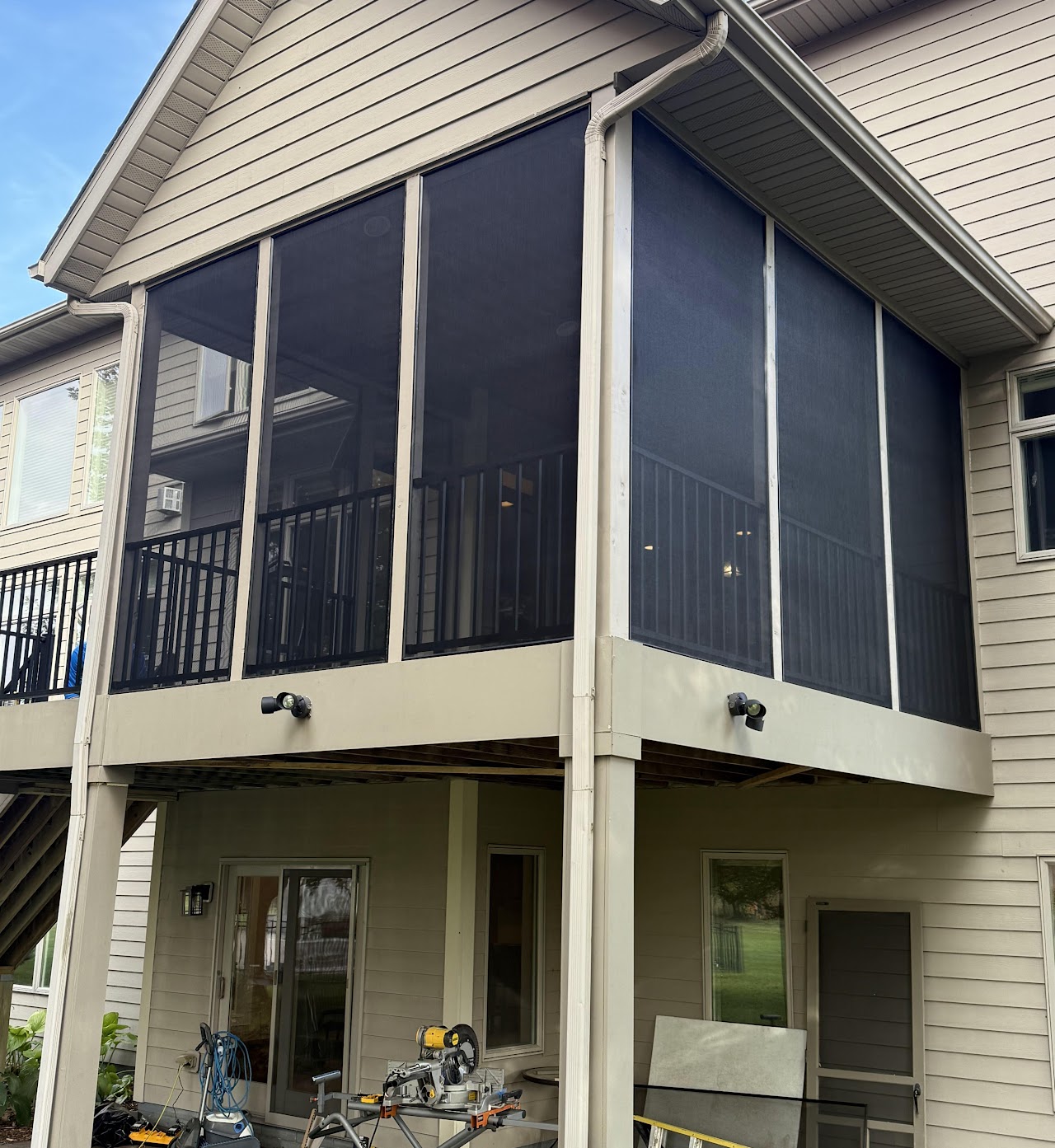 Most Popular
Enclosures & Rescreening
Porch & Patio Screens
- Full porch rescreening
- New enclosures
- SNAPP authorized
- Patio door screens
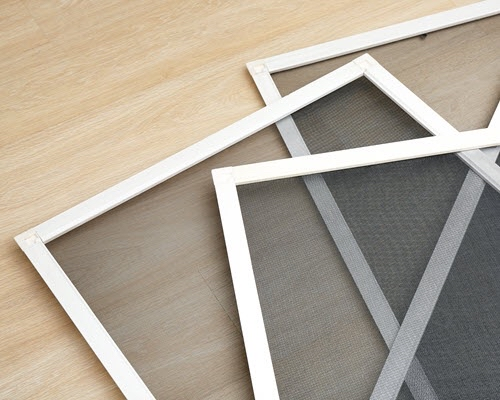
Repair & Replacement
Window & Door Screens
- Window screen repair
- Custom-built to size
- Door rescreening
- Frame replacement
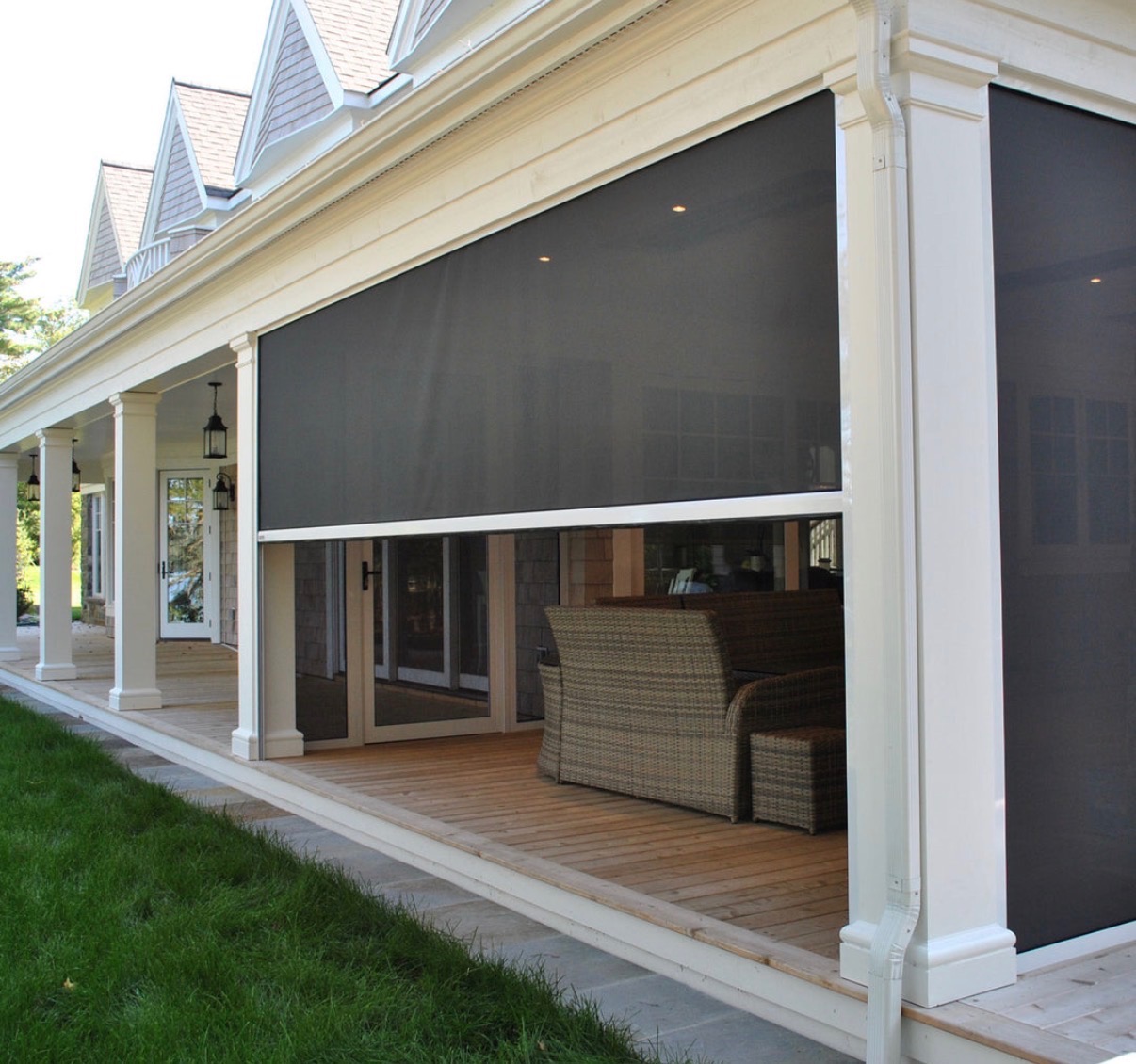 Premium
Smart Outdoor Living
Motorized Screens
- Up to 21ft wide
- 20-year motor warranty
- Made in the USA
- Multiple mount options
All Services Offered
We build custom screens to fit most windows — measuring on-site for an exact fit or duplicating existing screens.
Window Screen Repair
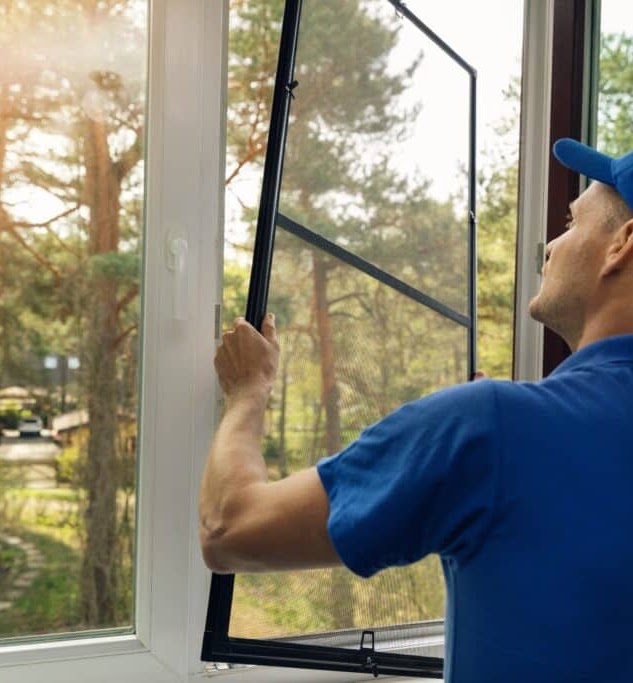
Repair tears, holes, and damaged spline on existing screens.
Window Screen Replacement
Full rescreening with new mesh in your choice of material.
Window Screen Frame Replacement
New frame built to your exact window dimensions.
Door Screen Repair
In-place rescreening, roller adjustment, lubrication, and hardware.
Custom-Built Screens
Built from scratch in multiple frame sizes, colors, and mesh options.
Porch Enclosures
Full porch rescreening and new enclosure systems — SNAPP authorized.
We Make It Convenient for You
Choose the service option that works best for your schedule and comfort level.
Farmington Shop
Drop-Off
Drop your screens at our Farmington location at 701 1st Street (NW corner). Tape and marker provided. Quick and easy.
Windows from $35 · Doors from $80 · 1–3 day turnaround
We Come to You
Contactless
Remove your screens yourself, leave them outside. We arrive, do the work on-site, and leave them ready for you to reinstall.
We come to your home — no entry required
Full-Service Experience
White Glove
Our team handles removal, rescreening, and reinstallation. Perfect for high windows or when you want it all done for you.
Complete hands-free service — we handle everything
Authorized Installer
SNAPP Screen
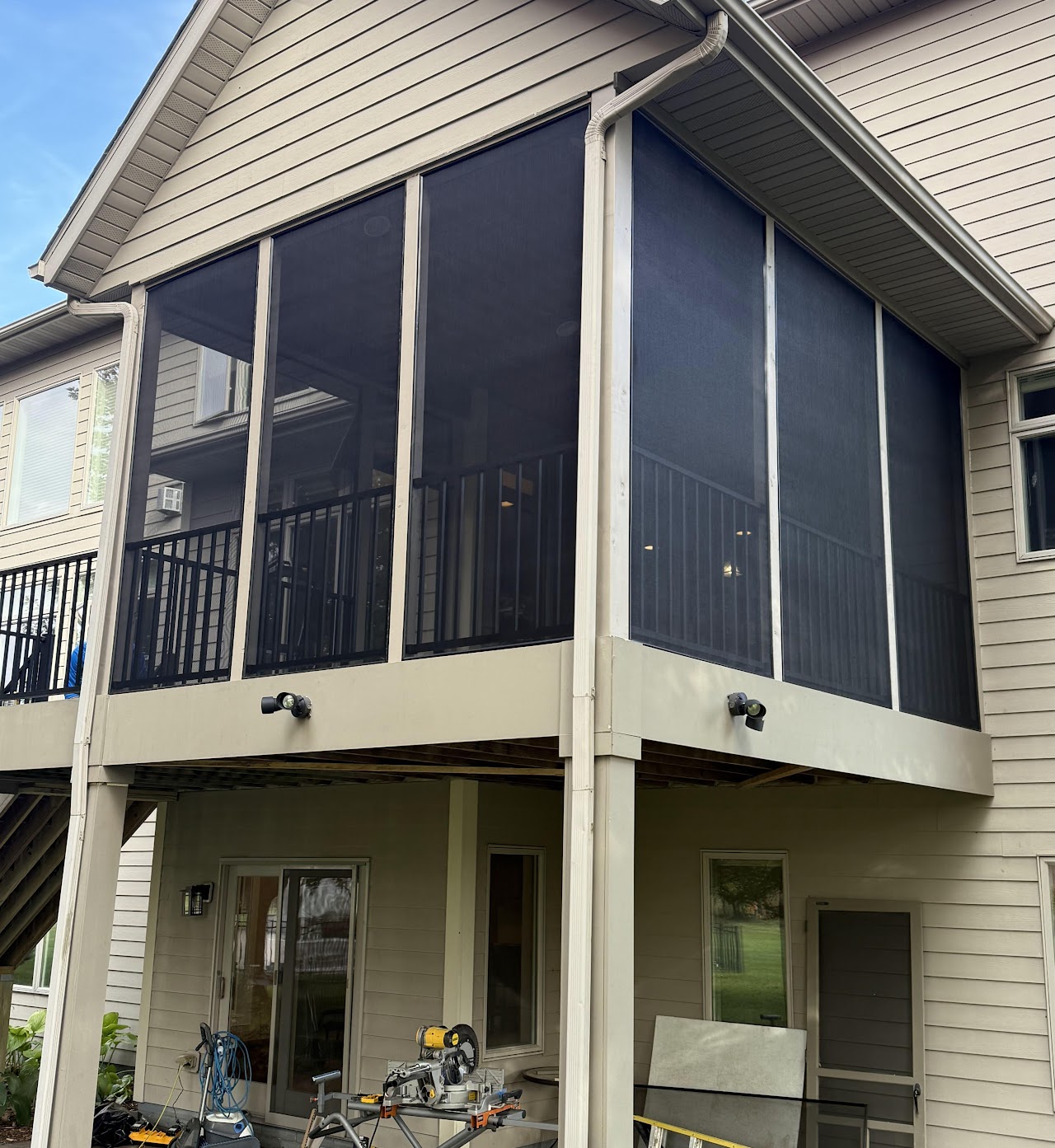
Porch Enclosure Solutions
Transform Your Porch with a Fresh New Look!
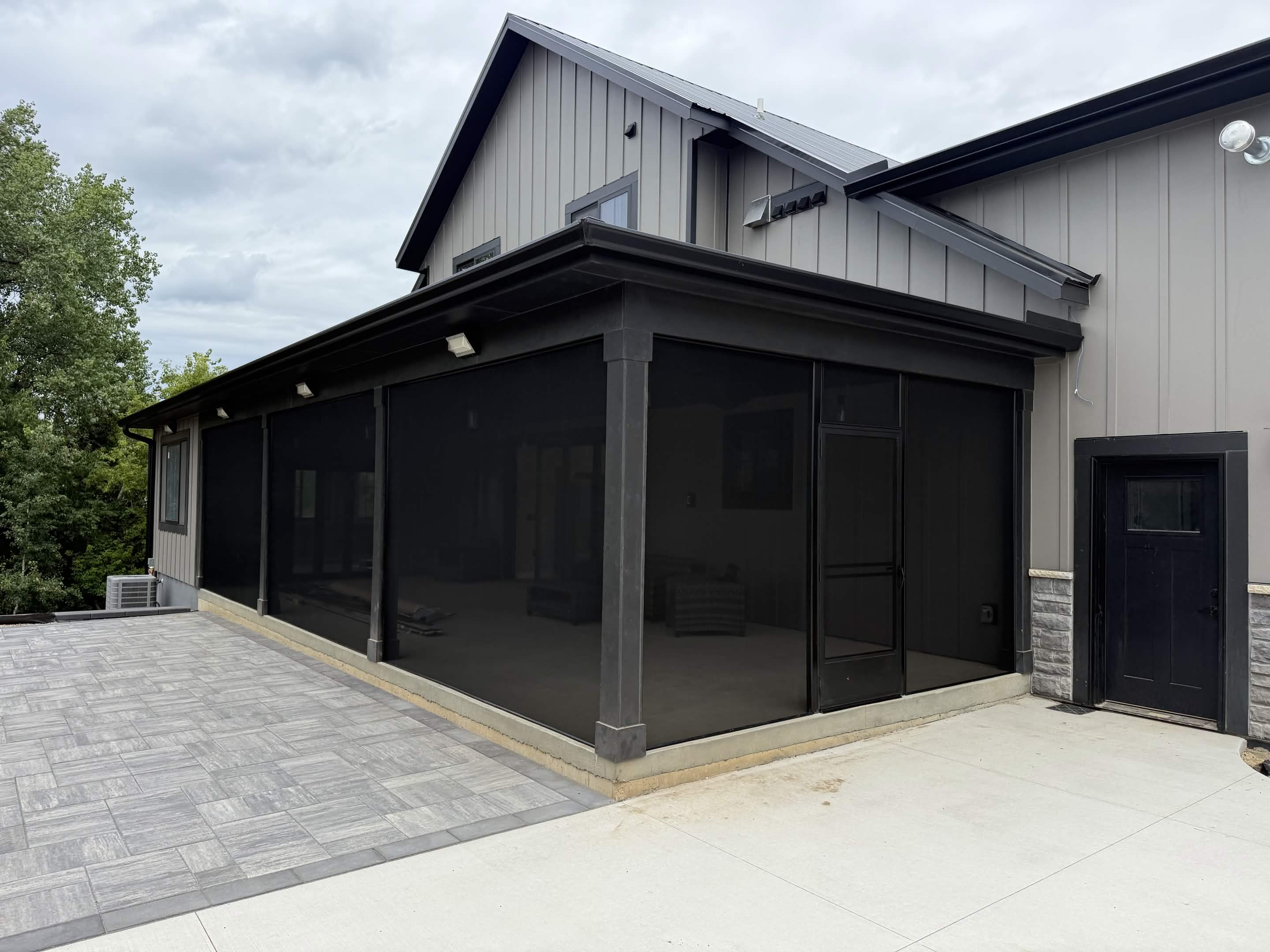
Enjoy a comfortable, bug-free outdoor environment all season long. ReScreen MN is an Authorized SNAPP Screen installation outfit, bringing premium porch enclosure systems to Minnesota homeowners.
- Full porch rescreening and new screen enclosures
- High-quality, durable screen materials
- Affordable rates for any budget
- Fast & professional — we handle everything start to finish
- Custom patio door screens built to fit any opening
- Enjoy a bug-free outdoor environment all season
Authorized Partner
ReScreen MN is a certified installer for SNAPP Screen systems — premium porch enclosure solutions trusted by homeowners across Minnesota.
Expand Your Outdoor Living Space with Just a Touch of a Button
Mystic Motorized Screens are custom-built for every opening, delivering effortless bug protection and privacy for your patio, deck, pergola, or outdoor kitchen. All made in the USA with an unbeatable 20-year motor warranty.
Mounting Options
- Recessed mounted (in between jamb, under header)
- Surface mounted (face mount)
- Concealed (recessed ceiling cavity)
Trusted by Minnesota Homeowners
"ReScreen MN did an incredible job on our porch screens. Fast, professional, and the results look amazing. Will definitely use them again!"
Sarah M.
Farmington, MN
"Dropped off 6 window screens Monday and had them back Wednesday. Great pricing, top-notch quality. Highly recommend to anyone in the Twin Cities Metro!"
Tom K.
Hastings, MN
"Ross and Keegan are true professionals. They came to our home and rescreened all windows and doors in one visit. Absolutely fantastic service!"
Jennifer L.
Apple Valley, MN
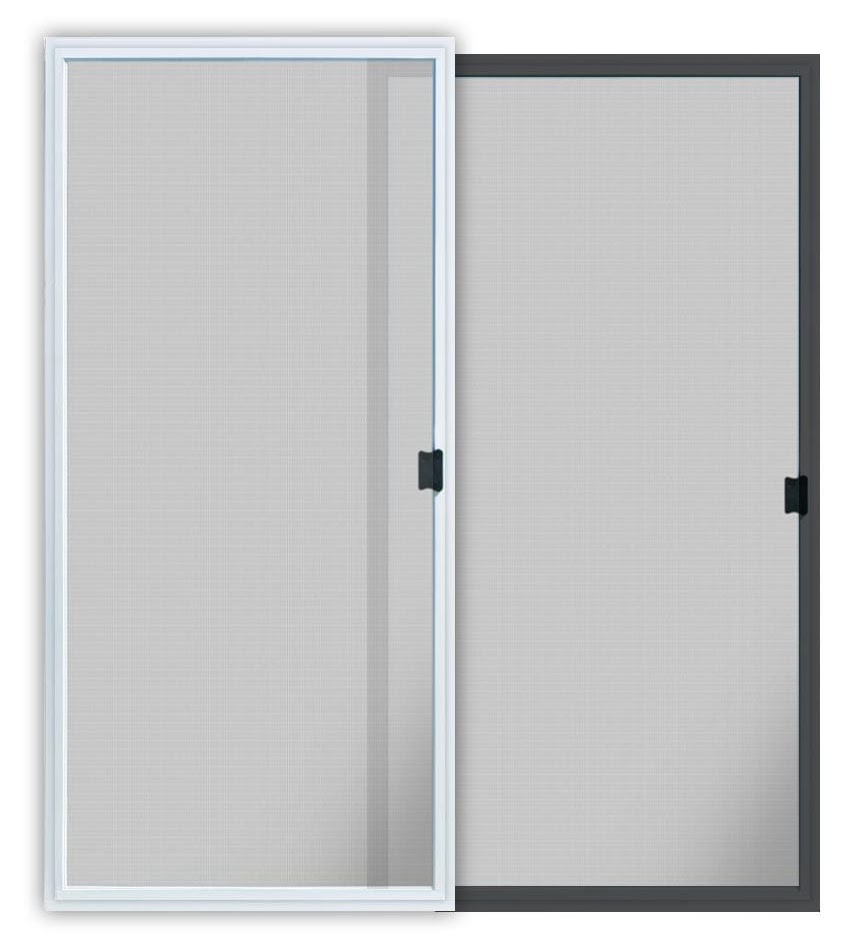
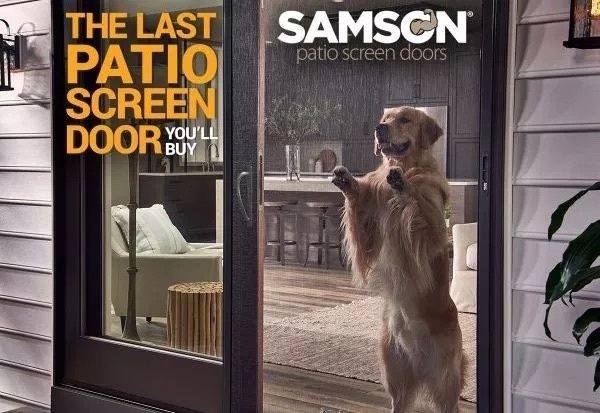
Proudly Carrying Samson Patio Screen Doors
ReScreen MN is an authorized dealer and installer for Samson — one of the industry's most trusted names in premium patio screen door systems.
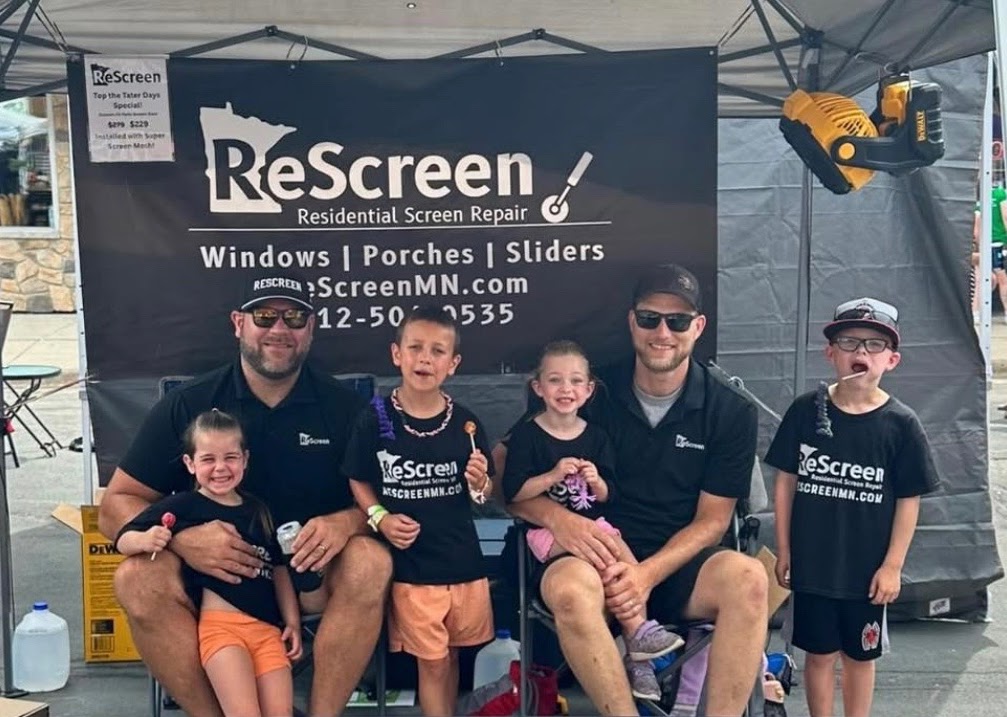
Local Owners. Real Community Roots.
ReScreen MN was founded in 2020 by two Twin Cities Metro locals who saw a need for professional, reliable screen repair in their community.
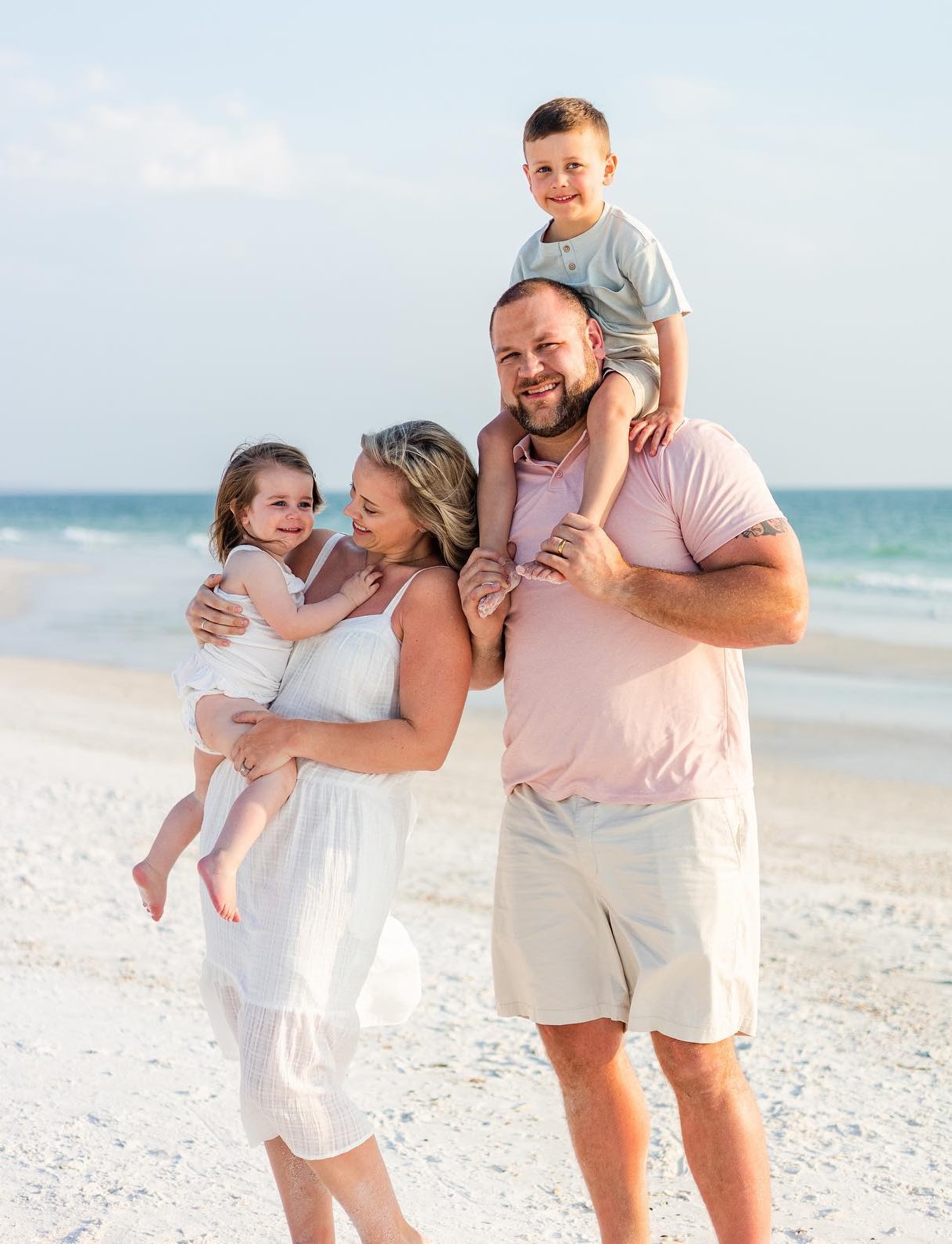
A native of Bloomington, MN, Ross attended Kennedy High School and played collegiate football at MSU Mankato and UW-La Crosse (2008–2012). He now lives in Farmington with his wife Lauren and children Grayson and Stevie. Ross serves on his church worship team, coaches Farmington HS football, and loves catching concerts with his wife.
"We love this community and I am grateful for the opportunity to serve this wonderful community and the surrounding area!"

Keegan brings over a decade of construction and home services expertise to ReScreen MN. He lives in Savage, MN with his wife Danielle and their children Ean and Emma. When he's not rescreening porches and windows, you'll find him fishing or hunting with his kids.
Proud Members of the Twin Cities Metro Community
ReScreen MN was built on the belief that local businesses serve local communities best. We're not a franchise or a national chain — just two neighbors who care about doing great work.
Convenient Drop-Off — No Appointment Needed
Starting at just $35
Our Farmington drop-off stand is open around the clock. Simply bring your screens, label them, and we'll handle the rest.
Farmington Shop · 1–3 Day Turnaround
701 1st Street, Farmington, MN
Northwest corner of the building · Drop-off stand with supplies provided
Hometown Ace Hardware · 1–2 Week Turnaround
Hastings, MN
Terry's Hardware · 1–2 Week Turnaround
Hastings, MN
Hometown Ace Hardware · 1–2 Week Turnaround
Prescott, WI
How Drop-Off Works
- 1Bring your screens to the drop-off stand (NW corner of 701 1st St building)
- 2Write your name and phone number on each screen
- 3Tape and marker are provided in the attached weatherproof box
- 4We'll text or call with your quote and notify you when complete
- 5Pick up your screens — Farmington location usually ready in 1–3 days. Hardware store locations are typically 1–2 weeks.
Request a Free Quote
Fill out the form or call us directly. We'll get back to you same day or next morning.
Contact Information
Phone / Text
612-504-0535
[email protected]
Drop-Off
701 1st St, Farmington, MN
Response Time
Same day or next morning
Service Area
Serving all communities within approximately 30 miles of Farmington, MN — covering the full Twin Cities Metro and surrounding areas.
- Minneapolis · St. Paul
- Bloomington · Eden Prairie
- Burnsville · Eagan · Apple Valley
- Lakeville · Farmington · Rosemount
- Hastings · Cottage Grove · Woodbury
- Savage · Prior Lake · Shakopee
- Western Wisconsin
Ready to Get Started?
Screen Repair Done Right
— The First Time.
Serving the entire Twin Cities Metro and all surrounding communities within 30 miles — plus Western Wisconsin.
"Keep the bugs out and let the fresh breeze in!" — ReScreen MN